Guides
Practical video guides from real shoots
I write every guide here myself. Three are built on one specific shoot and say so, and the rest draw on fifteen years of jobs, checked against primary sources. They cover the kit I use, the settings that work, and the mistakes I've already made so you don't have to. (Who I am.) They're grouped into five areas.
- Production fundamentals (planning, roles, kit)
- Visual storytelling (shots, composition, B-roll)
- Light and sound (lighting setups, colour, recording audio)
- On camera and interviews (interview setup, technique, wardrobe)
- Edit, deliver, get found (editing, captions, length, video SEO)

The camera operator role in small-team video production
On a small-team shoot, the camera operator owns the frame (consistent framing, purposeful movement, enough coverage for the edit) and catches image problems before they reach it.
Read the guide →-
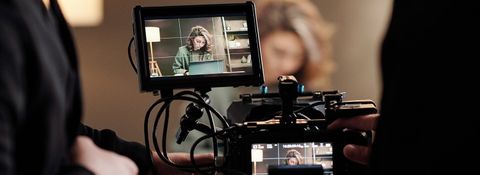
The camera operator role in small-team video production
On a small-team shoot, the camera operator owns the frame (consistent framing, purposeful movement, enough coverage for the edit) and catches image problems before they reach it.
By Nigel Camp
-
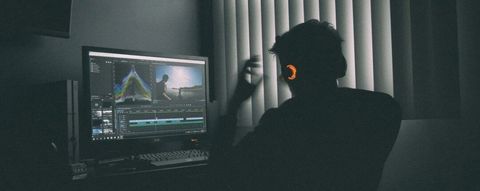
Editing, exporting and getting your video found
Cut the video for clarity first, then add captions and on-screen text, export it and publish it on a page that gives it context.
By Nigel Camp
-
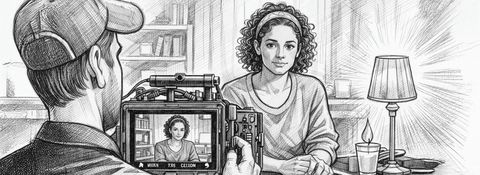
Visual storytelling for video, from shots to story
Visual storytelling is choosing what you show, how close you get, what you leave out and what comes next.
By Nigel Camp
-
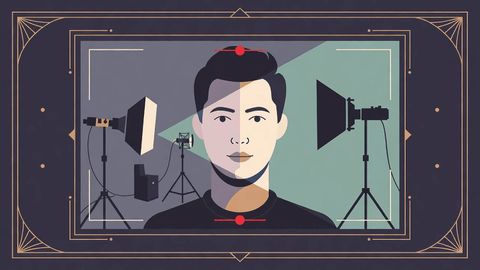
Lighting and sound for video
Fix sound first, then light, then colour and the background.
By Nigel Camp
-
Video production basics
Every video goes through three stages (plan it, film it, finish it) and most of the work happens in the planning.
By Nigel Camp
-
A creator's practical guide to the role of a film director
A film director shapes the story, tone and performances of a project and holds final creative responsibility, from planning through the shoot to the edit.
By Nigel Camp
-
Why the best filmmaking gear is you
The best filmmaking gear is the person behind the camera, because two people on identical kit will get totally different results.
By Nigel Camp
-
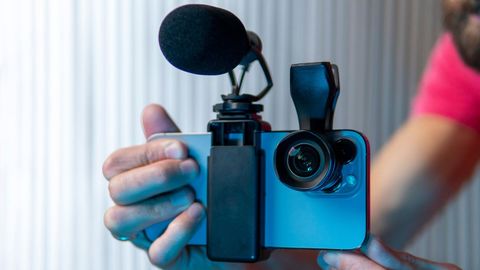
How to build a budget filmmaking rig for any phone
A good phone rig is a cage to hold the phone, a grip or tripod to keep it steady, a proper microphone and a small light.
By Nigel Camp
-
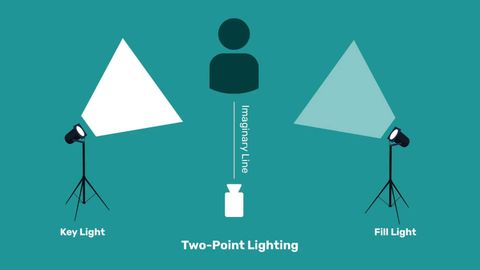
Basics of two-point lighting for video
Two-point lighting puts a key light about 45 degrees to one side of the subject, slightly above eye level, and a dimmer fill on the other side to soften its shadows.
By Nigel Camp
-
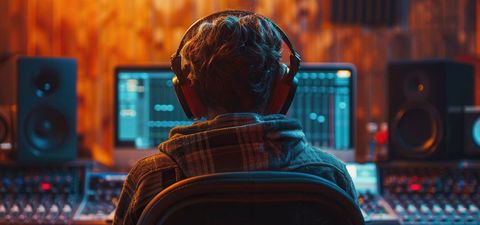
Film sound design basics for video makers
Sound design is the deliberate shaping of dialogue, ambience, effects, music and silence so they guide attention and emotion.
By Nigel Camp
-
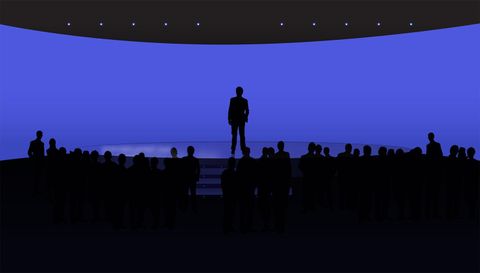
The essential gear for filming a live event
For most live events you need one or two cameras on solid tripods, a sound recorder taking the desk feed with a backup source, spare mics and cables, and spare batteries.
By Nigel Camp
-
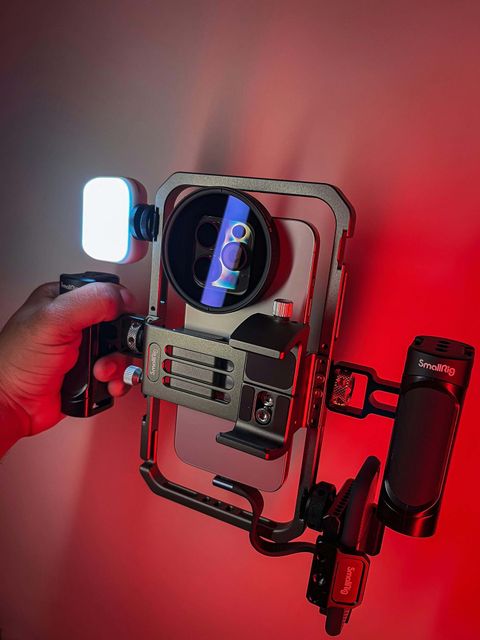
How to film an interview on your phone
Before I press record on a phone interview, I sort out three things (what's behind the person, how they sound and how the picture is exposed).
By Nigel Camp
-
Hollywood film structure explained simply
Hollywood film structure is the three-act shape most films follow, where Act One sets up a character and situation, Act Two builds pressure and Act Three delivers the payoff.
By Nigel Camp
-
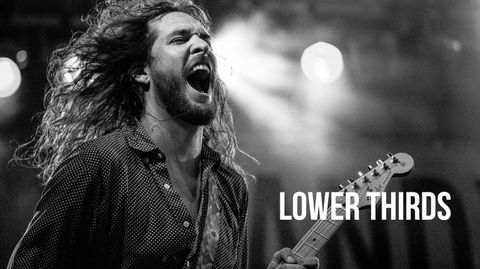
Lower thirds for beginners, with simple design tips
A lower third is a short text overlay in the lower part of the screen that shows a name, title, location or key fact.
By Nigel Camp
-
How to use colour psychology in film and video
Use colour psychology as guidance, not decoration.
By Nigel Camp
-
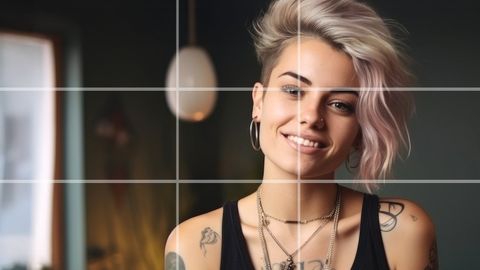
Rule of thirds in filmmaking and photography
The rule of thirds divides the frame into thirds across and down, and puts the most important elements on the dividing lines or where they meet, not in the dead centre.
By Nigel Camp
-
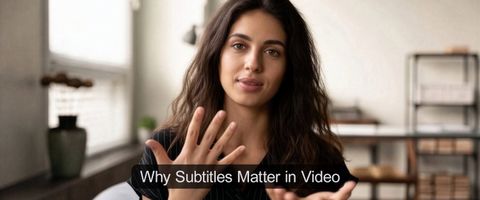
Why subtitles matter in video, and what good captions do
Subtitles matter because people watch with the sound low or in public places, and more than 18 million people in the UK are deaf, have hearing loss or tinnitus.
By Nigel Camp
-
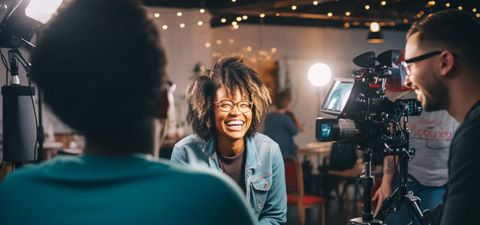
Why good interviewing matters in video production
Good interviewing matters because it shapes the whole story, and a relaxed subject asked good questions sounds natural and credible on camera.
By Nigel Camp
-
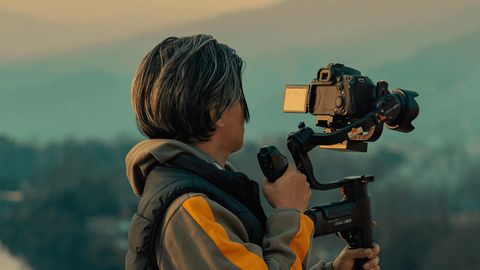
B-roll footage essentials for better videos
B-roll is the supporting footage around your main footage, and its job is to carry context, evidence, pacing or feeling.
By Nigel Camp
-

Colour temperature and white balance for video
Colour temperature is how warm or cool light looks, and white balance is how the camera interprets it so white objects look neutral rather than orange or blue.
By Nigel Camp
-
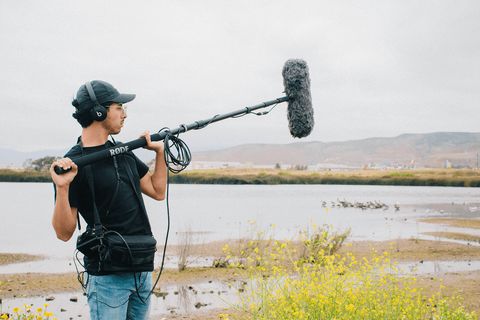
What is ambient sound in content creation?
Ambient sound is the natural background audio in a scene, such as room tone, traffic, birds or office hum, sitting underneath dialogue and music.
By Nigel Camp
-
What editing software does Hollywood use?
Hollywood editors mostly cut on Avid Media Composer, with Adobe Premiere, Final Cut Pro and DaVinci Resolve also used on feature films.
By Nigel Camp
-
What does a video producer do?
A video producer turns an idea into a finished video that can actually be delivered, handling the planning, budget, schedule, logistics and communication.
By Nigel Camp
-

What to wear on camera for a video shoot
Wear solid mid tones or richer colours that separate you from the background, and avoid fine patterns, shiny fabrics, big logos and reflective jewellery.
By Nigel Camp
-
Prime vs zoom lenses, which should you use?
For most business and event video, use a zoom, because it lets you reframe quickly in tight rooms without lens changes.
By Nigel Camp
-

How long should a video be?
For TikTok and Instagram Reels, aim for 15 to 60 seconds, and for a YouTube video with real substance, around 7 to 15 minutes.
By Nigel Camp
-
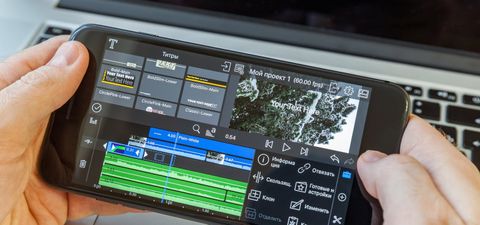
The best video editing apps for your phone
For most beginners, CapCut and VN are the best free places to start, because both export your own footage without a watermark.
By Nigel Camp


Browse by topic. Production Fundamentals · Filmmaking Techniques · Cinematic Aesthetics · Post-Production Techniques · Engagement and SEO · Equipment and Tools