Guides
Cinematic Aesthetics
How shots look and feel, with composition, colour, light and sound used to make a video easier to watch and more memorable.
Start with lighting and sound for video, my routine for the five problems that make video look amateur. Then go to two-point lighting for where the lights go, and colour temperature for fixing mixed light and odd skin tones. What to wear on camera is the one to send to anyone you are about to film. The colour psychology guide covers mood once the basics are right.
-
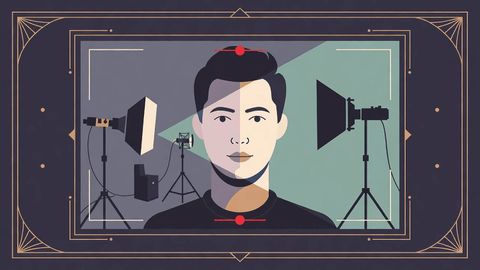
Lighting and sound for video
Fix sound first, then light, then colour and the background.
By Nigel Camp
-
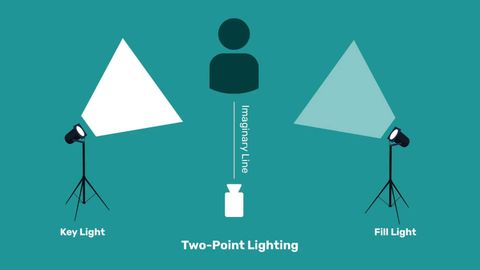
Basics of two-point lighting for video
Two-point lighting puts a key light about 45 degrees to one side of the subject, slightly above eye level, and a dimmer fill on the other side to soften its shadows.
By Nigel Camp
-
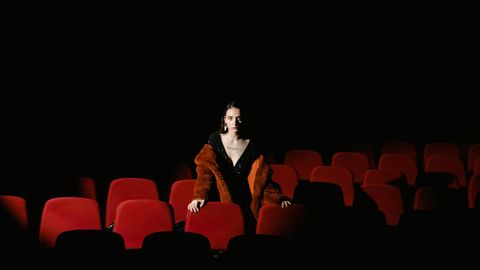
How to use colour psychology in film and video
Use colour psychology as guidance, not decoration.
By Nigel Camp
-

Colour temperature and white balance for video
Colour temperature is how warm or cool light looks, and white balance is how the camera interprets it so white objects look neutral rather than orange or blue.
By Nigel Camp
-
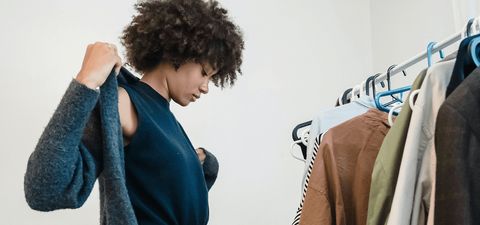
What to wear on camera for a video shoot
Wear solid mid tones or richer colours that separate you from the background, and avoid fine patterns, shiny fabrics, big logos and reflective jewellery.
By Nigel Camp


